
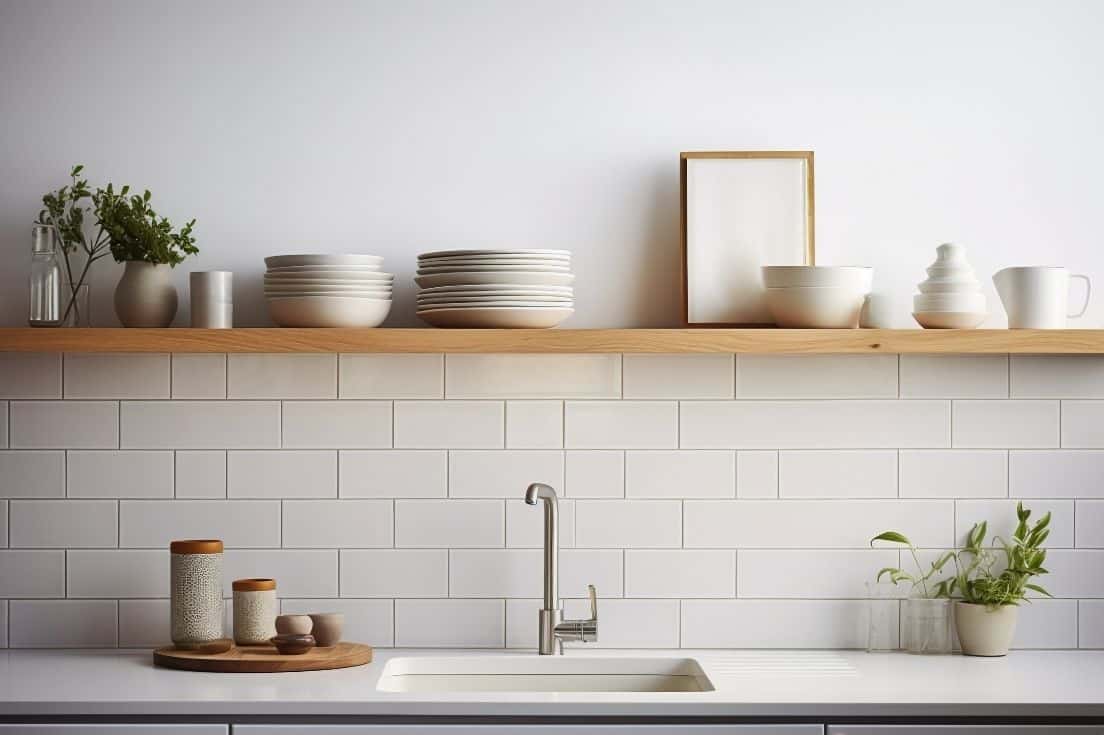
HOW OFTEN TO CLEAN KITCHEN TILES
The first question that usually comes to mind when cleaning kitchen tiles is always the same how often should we clean them?
How often you need to clean them will depend on how much you use your kitchen and, above all, how close the tiles are to the cooking area. A wall located away from the cooking area does not require the same level of maintenance as the splashback directly behind the hob.
As a general rule, it is best to wipe away any visible splashes after cooking and carry out a more thorough cleaning once a week. This simple habit prevents grease from drying and forming a film that can be difficult to remove.
In less exposed areas, regular cleaning with a damp cloth may be enough. Remember that preventing dirt from building up not only makes maintenance easier, but also helps preserve the colour and shine of the tiles.
Likewise, in a well-designed kitchen, maintenance can also be easier. Choosing easy-to-clean wall coverings and carefully planning the cooking area are important details to consider when designing the space. With this in mind, at Delta we design every kitchen to measure, seeking the perfect balance between aesthetics, functionality, and comfort.
PRODUCTS FOR CLEANING KITCHEN TILES: NATURAL VS. SPECIALIST CLEANERS
If you’re wondering what to use to clean kitchen tiles, there are several options available. From ingredients you probably already have at home to products specifically formulated to remove grease, your choice will depend on how dirty the tiles are and the type of surface.
Before using any product, especially on delicate materials or finishes, always check the manufacturer’s instructions and test it first on an inconspicuous area.
Want a made-to-measure kitchen?
We’ve been crafting made-to-measure kitchen furniture since 1989.
Tell us about your project and we’ll advise you at your nearest DELTA store.
HOME CLEANING TIPS VINEGAR, BAKING SODA, AND LEMON
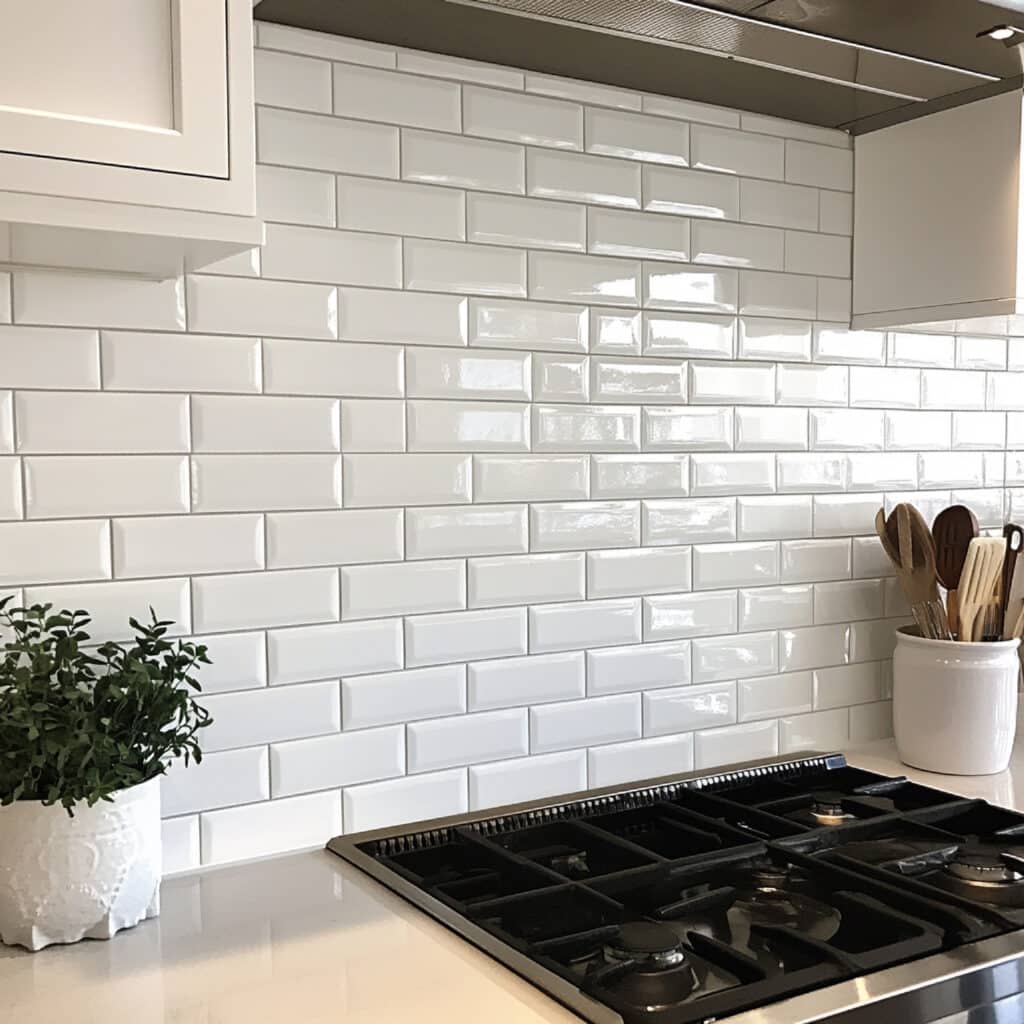
To clean your kitchen tiles, you can start by trying three tried-and-tested household cleaning staples:
- Vinegar diluted in water helps remove light grease and surface marks. Afterwards, simply wipe the tiles with a clean cloth to remove any residue.
- Baking soda can be used to treat more stubborn, localised stains. Mix it with a little water to form a paste, then apply it to the affected area and rub gently. You can use a non-abrasive sponge.
- Lemon is also useful for tackling grease thanks to its acidity, and it leaves behind a pleasant, fresh scent.
DEGREASERS AND SPECIALIST CLEANERS
When dirt is particularly stubborn, kitchen tile cleaning products specifically formulated to remove grease are usually the most effective option.
How should you use them? Spray the product according to the manufacturer’s instructions, leave it to work for the recommended amount of time, and then wipe it away with a cloth or soft sponge. Avoid using metal scouring pads or highly abrasive products, as they could scratch the finish.
It is also important not to mix different cleaning products, as some combinations can produce dangerous fumes.
HOW TO REMOVE STUBBORN GREASE STEP BY STEP
To remove grease from kitchen tiles, especially when it has built up over time, it is best to work one section at a time:
- First, remove any dust and surface dirt with a cloth.
- Next, apply a little warm water with a suitable cleaner or degreasing product. Leave it to work for a few minutes to soften the grease before you start scrubbing.
- Next, use a microfibre cloth or a soft sponge and clean the surface using circular motions, paying particular attention to the areas around the hob and the food preparation area.
- Finally, thoroughly remove any remaining cleaning product with a clean, damp cloth.
Do you need to clean heavily soiled kitchen tiles? In that case, you may need to repeat the process. It is better to clean the area again than to use a more aggressive product that could end up damaging the surface.
HOW TO CLEAN TILE GROUT
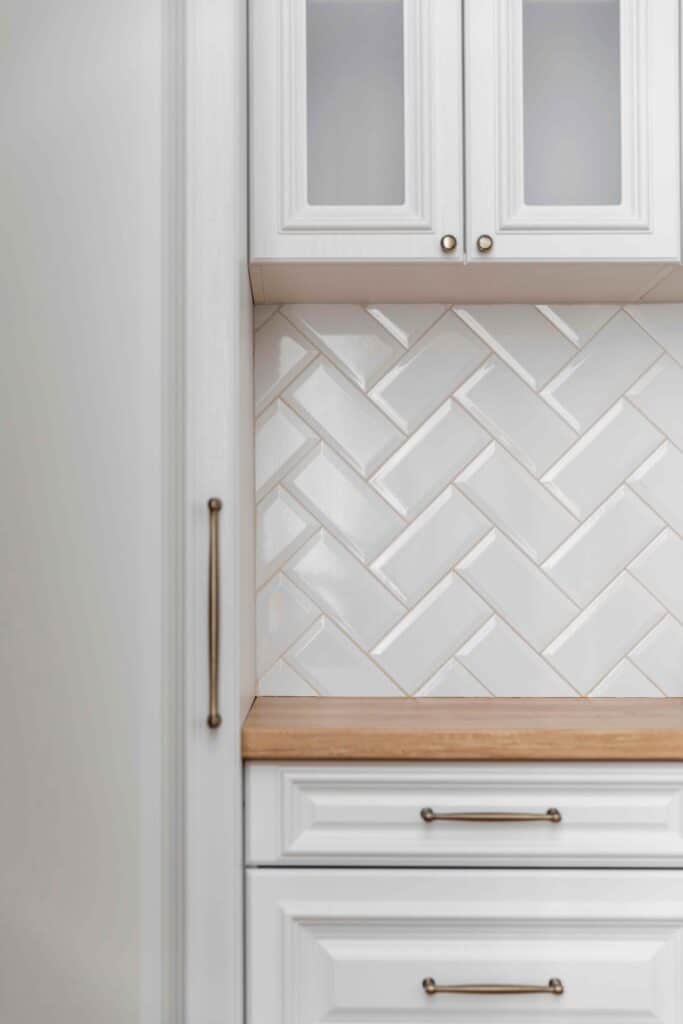
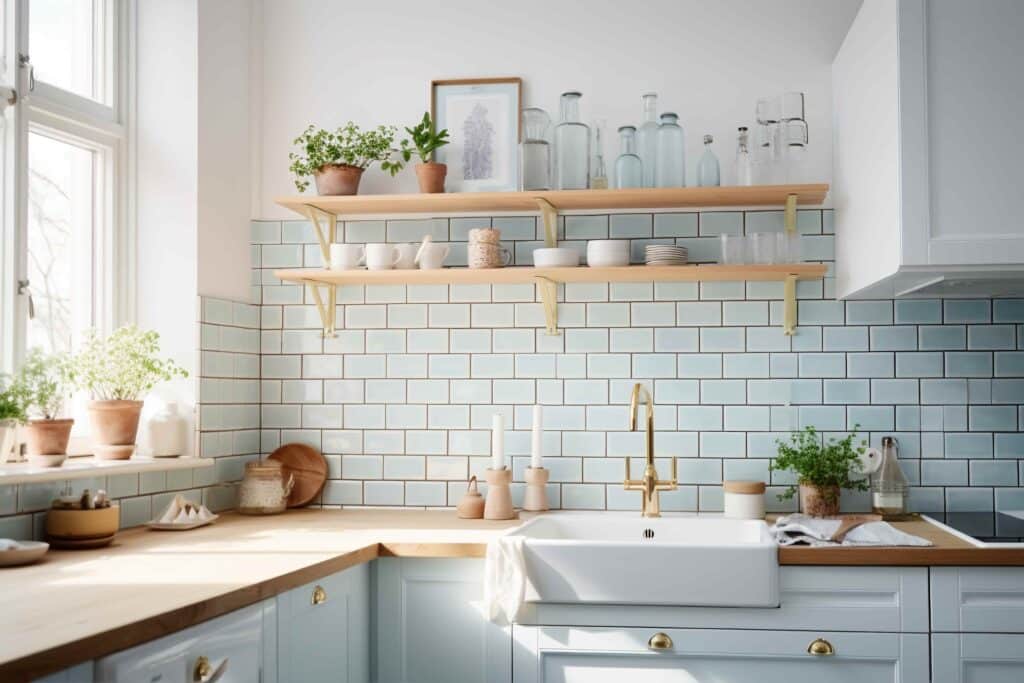
Over time, moisture, grease, and accumulated dirt can cause grout lines to darken. That’s why cleaning kitchen tile grout deserves special attention. And it’s not just about appearance: well-maintained grout makes the entire tiled surface look cleaner and more uniform.
For regular cleaning, use a small, soft-bristled brush and a product suitable for grout. You can also make a paste with baking soda and water: apply it to the grout, leave it to work for a few minutes, scrub gently and, finally, wipe away any residue with a damp cloth.
If the grout has stubborn stains, there are also specialist products that can make cleaning easier. However, before using them, always check that they are compatible with both the grout and the tiles. Better safe than sorry!
HOW TO KEEP KITCHEN TILES SHINY AND STAIN-FREE
Once the grease has been removed, keeping your tiles in good condition is much easier. The key is to prevent splashes from building up and to adapt your cleaning routine to the type of finish.
These simple habits can help:
- Wipe away splashes as soon as possible. Wipe the tiles with a damp cloth after cooking to prevent grease from drying and sticking to the surface. This will make your weekly cleaning quicker and easier.
- Use soft cloths and sponges. To clean kitchen tiles and keep them shiny, avoid abrasive scouring pads. A microfibre cloth is usually all you need.
- Pay special attention to light-coloured surfaces. When cleaning white kitchen tiles, pay particular attention to the areas around the hob and worktop, where splashes tend to be more noticeable.
- Rinse thoroughly after cleaning. Soap or degreaser residue can leave a film on the tiles, causing them to lose their shine over time.
- Dry the surface if any water marks remain. Although some products allow you to clean kitchen tiles without drying them afterwards, a final wipe with a dry microfibre cloth helps prevent water marks, especially if you live in a hard-water area.
A well-maintained kitchen is more enjoyable, but it should also be designed to make your everyday life easier. If you’re thinking about renovating this space, remember that at Delta Cocinas we design bespoke kitchens tailored to your tastes, needs, and lifestyle.
Contact our team and discover how we can help you create a functional, personalised kitchen designed to serve you for many years to come.